


Discover the Advantages of Raising Idaho Pasture Pigs
- Cheyenne James
- Jul 29, 2025
- 4 min read
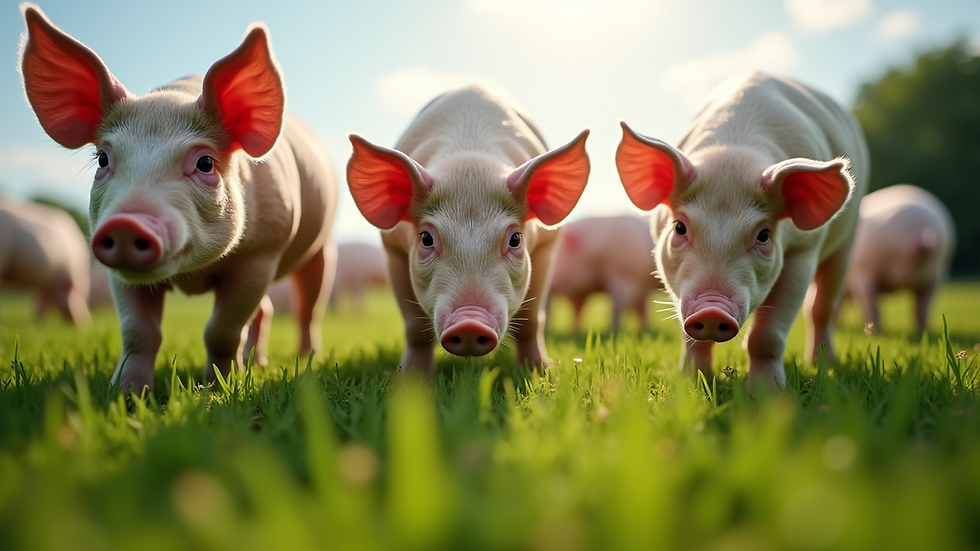
Raising pigs on pasture is becoming an increasingly popular choice for farmers and homesteaders who want to produce high-quality pork while promoting sustainable agriculture. Among the various breeds and methods, Idaho pasture pig farming stands out for its unique benefits. This approach combines the natural environment of Idaho with the advantages of pasture-raised livestock, resulting in healthier animals, better meat quality, and a more environmentally friendly farming system.
What Makes Idaho Pasture Pig Farming Unique?
Idaho pasture pig farming leverages the state's rich natural resources, including its fertile soil, clean water, and favorable climate. These conditions allow pigs to forage naturally, which improves their diet and overall health. Unlike conventional pig farming, which often confines animals to indoor pens, pasture pig farming gives pigs access to fresh air, sunlight, and a variety of plants and insects.
This method supports animal welfare by allowing pigs to express natural behaviors such as rooting and wallowing. It also reduces the need for antibiotics and growth hormones, which are commonly used in intensive farming systems. Farmers who adopt this practice often report lower mortality rates and healthier herds.
Additionally, Idaho pasture pig farming can be more cost-effective in the long run. While initial setup costs for fencing and shelter may be higher, the reduced feed costs and improved animal health can lead to better profitability.
Benefits of Raising Idaho Pasture Pigs
Raising pigs on pasture offers numerous advantages that appeal to both farmers and consumers. Here are some key benefits:
Improved Meat Quality: Pasture-raised pigs tend to produce pork with better flavor, texture, and nutritional value. The meat is often leaner and contains higher levels of omega-3 fatty acids and vitamins.
Environmental Sustainability: Pasture pigs help improve soil health by naturally fertilizing the land with their manure. Their rooting behavior aerates the soil, promoting plant growth and reducing the need for chemical fertilizers.
Animal Welfare: Providing pigs with a natural environment reduces stress and promotes healthier growth. This leads to better immune function and fewer diseases.
Economic Opportunities: Farmers can market their pork as a premium product, appealing to consumers who value ethically raised and environmentally friendly food.
Biodiversity: Integrating pigs into pasture systems encourages a diverse ecosystem, supporting beneficial insects, plants, and wildlife.
Farmers interested in this approach should consider rotational grazing to prevent overgrazing and maintain pasture quality. This involves moving pigs between different pasture sections regularly.

How Long Do Idaho Pasture Pigs Take to Grow Out?
One common question among prospective farmers is how long it takes for pasture-raised pigs to reach market weight. The growth rate of pasture pigs can vary depending on factors such as breed, diet, pasture quality, and management practices.
Typically, Idaho pasture pigs take between 6 to 9 months to grow out to a market weight of 220 to 280 pounds. This is slightly longer than conventional pigs raised in confinement, which may reach market weight in 5 to 6 months. However, the extended growth period allows for more natural development and results in superior meat quality.
To optimize growth rates, farmers should:
Provide high-quality pasture with diverse forage options.
Supplement the diet with grains or other feed as needed, especially during winter or drought.
Ensure access to clean water and shelter.
Monitor pig health regularly and manage parasites.
Patience is key in pasture pig farming, but the rewards in meat quality and animal welfare make the extra time worthwhile.
Practical Tips for Successful Idaho Pasture Pig Farming
Starting and maintaining a pasture pig operation requires careful planning and management. Here are some actionable recommendations to help you succeed:
Choose the Right Breed: Select pig breeds that thrive on pasture and have good foraging instincts. Heritage breeds often perform well in pasture systems.
Design Effective Fencing: Use sturdy fencing to keep pigs contained and protect them from predators. Electric fencing can be a flexible and cost-effective option.
Implement Rotational Grazing: Divide your pasture into paddocks and rotate pigs regularly to prevent overgrazing and maintain pasture health.
Provide Shelter: Ensure pigs have access to shade and protection from extreme weather conditions.
Manage Parasites: Regularly check for internal and external parasites and use natural or veterinary-approved treatments as needed.
Record Keeping: Keep detailed records of pig growth, health, and pasture conditions to make informed management decisions.
By following these tips, farmers can maximize the benefits of pasture pig farming and create a sustainable, profitable operation.

Exploring Market Opportunities for Idaho Pasture Pigs
The demand for pasture-raised pork is growing as consumers become more conscious of food quality and sustainability. Farmers raising Idaho pasture pigs can tap into several market opportunities:
Farmers Markets: Selling directly to consumers at local markets allows farmers to build relationships and receive premium prices.
Restaurants and Chefs: Many chefs seek high-quality, locally sourced pork for their menus.
Community Supported Agriculture (CSA): Including pork in CSA shares can diversify offerings and attract more customers.
Online Sales: E-commerce platforms enable farmers to reach a wider audience.
Specialty Stores: Health food stores and specialty meat shops often look for pasture-raised products.
Marketing the unique qualities of pasture-raised pork, such as its flavor, ethical production, and environmental benefits, can help farmers differentiate their products and command higher prices.
Embracing Sustainable Farming with Idaho Pasture Pigs
Raising idaho pasture pigs is more than just a farming method - it is a commitment to sustainability, animal welfare, and quality food production. By integrating pigs into pasture systems, farmers contribute to healthier ecosystems and provide consumers with a product they can trust.
Whether you are a seasoned farmer or just starting, exploring Idaho pasture pig farming can open new doors for your agricultural endeavors. With proper management and dedication, this approach offers a rewarding path toward sustainable and profitable pig farming.


Comments